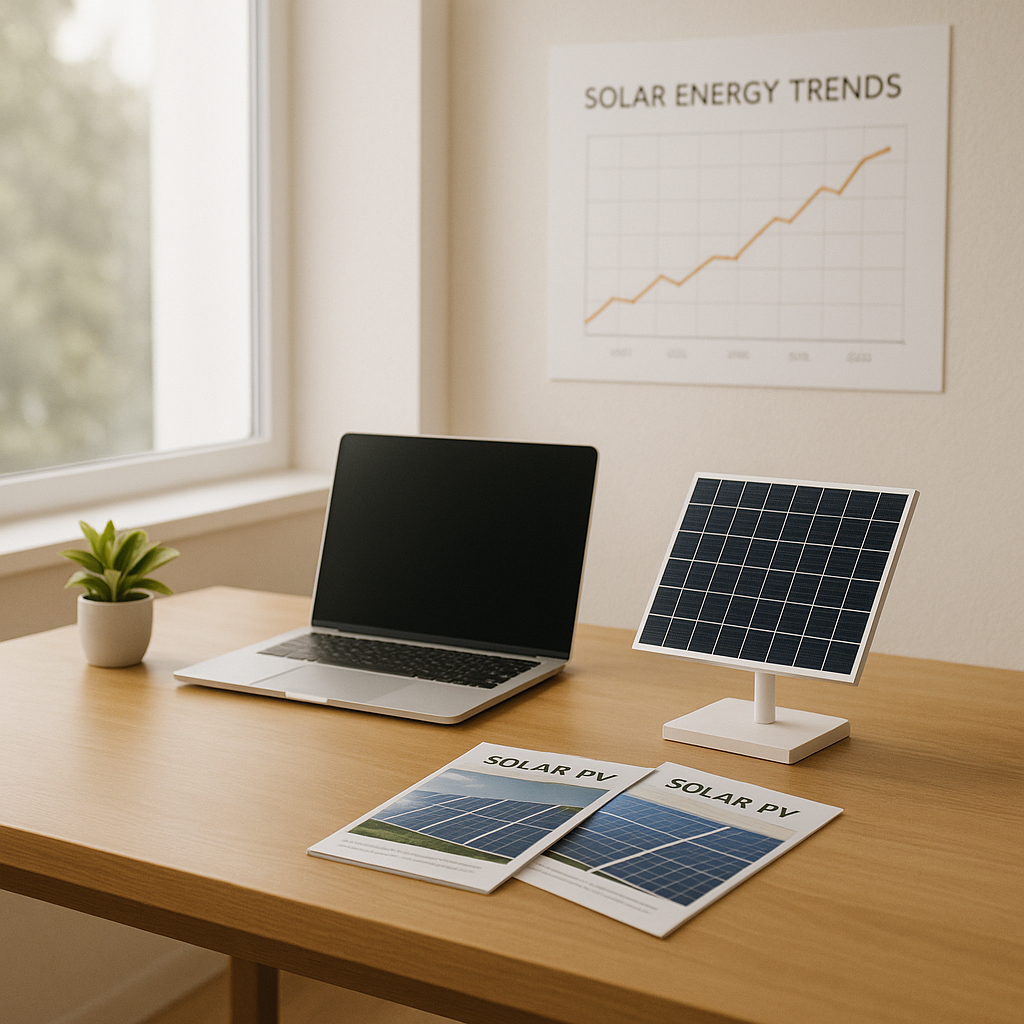
As a small or medium-sized enterprise (SME) in Dorset, you may be facing rising energy costs and the challenge of sustainability. With increasing pressure to reduce carbon footprints, many businesses are considering solar photovoltaic (PV) systems as a viable solution. However, the process of investing in solar energy can be complex and daunting. In this guide, we’ll break down the critical factors to consider when investing in Solar PV, ensuring you make an informed decision that benefits your business both financially and environmentally.
Understanding Solar PV Systems
Solar PV systems convert sunlight into electricity, making them an attractive option for energy generation. Their benefits include:
- Reduced Energy Bills: Solar energy can significantly lower your electricity costs.
- Environmental Impact: Solar power reduces your carbon footprint, contributing to a more sustainable future.
- Energy Independence: By generating your own power, you become less reliant on energy suppliers.
Key Considerations for SMEs
Before making the leap into solar energy, consider these factors:
1. Assess Your Energy Needs
Understanding your energy consumption is crucial. Review your electricity bills to determine your average usage and peak times. This information will help you choose the right system size and assess potential savings.
2. Evaluate Your Property’s Suitability
Not all properties are ideal for solar installations. Consider the following:
- Roof Orientation and Angle: South-facing roofs with a pitch of 30-40 degrees are generally the most efficient.
- Shading: Identify any obstacles that may block sunlight, such as trees or adjacent buildings.
- Space Availability: Ensure you have enough space for the solar panels without compromising aesthetics or functionality.
3. Financing Options
Investing in solar PV systems can be a significant upfront expense. Consider these financing options:
- Cash Purchase: Ideal for those who can afford the upfront cost, providing long-term savings.
- Solar Loans: These allow you to spread the cost over several years while still reaping immediate benefits.
- Leasing: A less common option, leasing allows you to use the system without purchasing it outright, but may result in lower overall savings.
4. Choose the Right Installer
Selecting a reputable installer is critical for the success of your solar project. Here’s how to choose:
- Experience and Certifications: Ensure they have relevant experience and certifications in solar installations.
- Reviews and References: Look for positive customer feedback and ask for case studies or references.
- Warranty and Aftercare: Inquire about warranties on both the panels and the installation, as well as post-installation support.
The Installation Process
Understanding what to expect during the installation process can help alleviate any concerns. Here’s an overview:
- Site Assessment: The installer will evaluate your property to determine the best system configuration.
- Design and Proposal: You will receive a tailored proposal detailing system size, expected savings, and installation timeline.
- Installation: The installation itself typically takes 1-3 days, depending on the system size.
- Connection and Commissioning: Your system will be connected to the grid, and the installer will ensure it’s fully operational.
Common Mistakes to Avoid
When investing in solar PV, avoid these common pitfalls:
- Underestimating Energy Needs: Failing to accurately assess your energy consumption may lead to an inadequate system size.
- Ignoring Local Regulations: Ensure compliance with local planning regulations and building codes.
- Not Considering Future Growth: If you anticipate growth, factor in potential increases in energy needs when sizing your system.
Maximising Your Investment
To get the most out of your solar PV investment, consider these strategies:
- Regular Maintenance: Schedule periodic check-ups to ensure the system operates efficiently.
- Monitor Performance: Use monitoring tools to track energy production and savings.
- Consider Battery Storage: Pairing your solar system with battery storage can increase energy independence and savings.
Conclusion
Investing in Solar PV is a significant step towards reducing energy costs and enhancing sustainability for your Dorset SME. By carefully assessing your energy needs, evaluating property suitability, and choosing the right installer, you can make an informed decision that benefits your business.
If you’re ready to explore solar options for your business, Descott Electrical can provide expert guidance and installation services tailored to your needs. Don’t hesitate to reach out for a consultation.