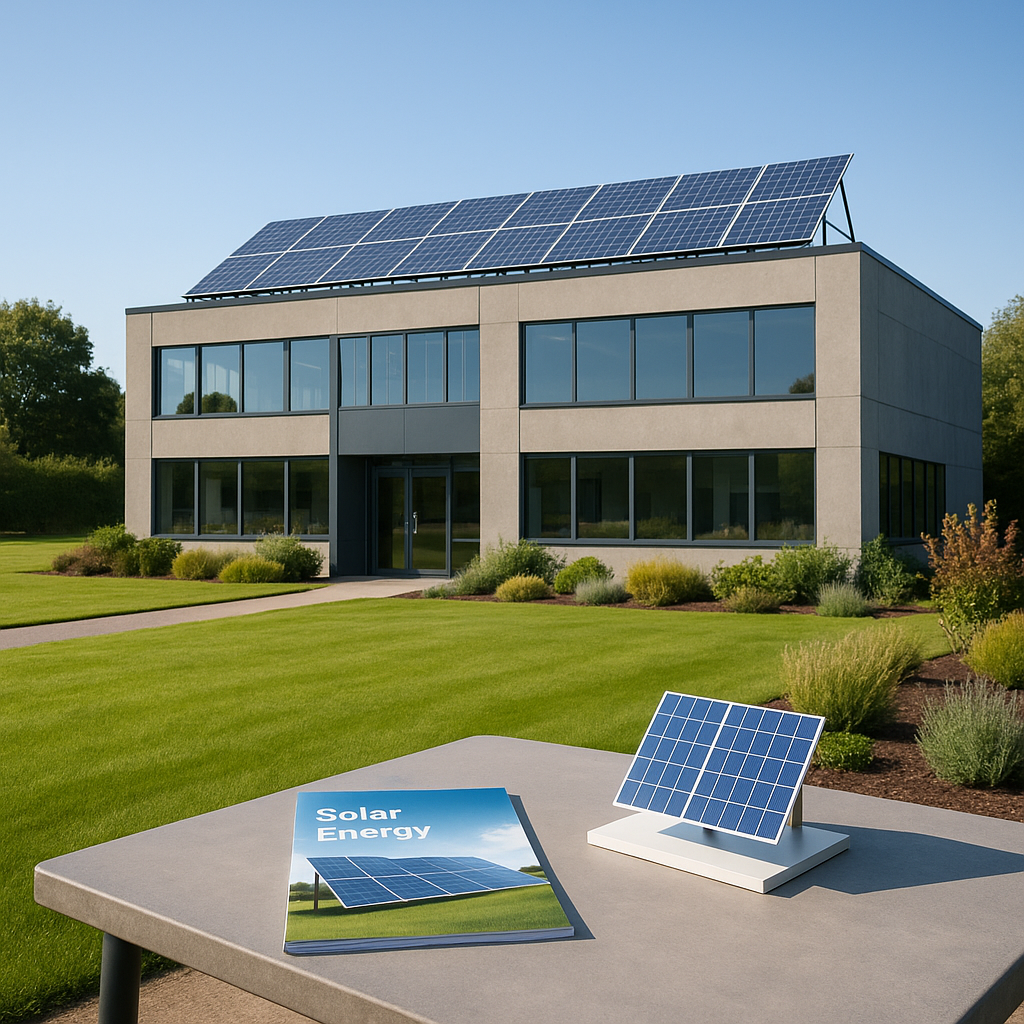
As the demand for sustainable energy solutions continues to grow, many businesses are exploring solar energy as a viable option for reducing their carbon footprint and energy costs. However, the installation of solar photovoltaic (PV) systems can seem daunting, especially for small to medium-sized enterprises (SMEs) in Dorset. This guide aims to equip you with the knowledge needed to make informed decisions regarding solar PV installation, ensuring that your business can benefit from this renewable energy source.
Understanding Solar PV and Its Benefits
Solar PV systems convert sunlight into electricity, providing a clean and renewable energy source. For Dorset businesses, the benefits of solar energy include:
- Cost Savings: Reducing reliance on grid electricity can lead to significant savings on energy bills.
- Sustainability: Using solar energy helps to decrease your business’s carbon footprint, aligning with environmental goals.
- Energy Independence: Generating your own electricity can protect you from rising energy costs and supply shortages.
- Increased Property Value: A solar installation can enhance the value of your commercial property.
How to Choose the Right Solar PV System for Your Business
Selecting the right solar PV system requires careful consideration of several factors. Below is a comprehensive checklist to guide you through the decision-making process.
1. Assess Your Energy Needs
- Calculate Your Energy Consumption: Review your energy bills for the past year to determine your average consumption.
- Identify Peak Usage Times: Understand when your business uses the most electricity. This will help in choosing a system that meets your demands effectively.
2. Evaluate Your Property
- Roof Condition: Ensure that your roof is in good condition and can support a solar installation.
- Orientation and Shade: South-facing roofs provide the best sunlight exposure. Assess nearby trees or buildings that may cast shadows.
3. Understand System Types
- Grid-Tied Systems: These systems are connected to the utility grid, allowing you to sell excess energy back to the grid.
- Off-Grid Systems: Ideal for remote locations, these systems operate independently of the grid but require battery storage.
- Hybrid Systems: Combining both grid and battery storage, hybrid systems offer flexibility and energy security.
4. Research Suppliers
When selecting a supplier for your solar PV installation, consider the following:
- Experience and Expertise: Look for a contractor with a solid track record in solar installations. You may want to ask about their previous projects.
- Certifications: Ensure that the contractor holds relevant certifications, such as MCS (Microgeneration Certification Scheme), which demonstrates their adherence to industry standards.
- Warranty and Support: Check the warranties offered for both the panels and installation work. A good warranty indicates confidence in the product and service.
Common Mistakes to Avoid
- Neglecting Maintenance: Regular maintenance is essential for optimal performance. Ensure that any chosen contractor offers a maintenance plan.
- Overlooking Planning Permission: While most solar installations do not require planning permission, it’s vital to check local regulations to avoid potential fines.
- Ignoring Financial Incentives: Familiarise yourself with any local or national incentives available for solar installations, such as grants or tax relief.
The Installation Process
Once you’ve selected a supplier and system, the installation process typically involves the following steps:
- Site Assessment: The contractor will conduct a thorough assessment of your property to finalize the system design.
- Design and Approval: A customised system design will be created, and any necessary permissions will be obtained.
- Installation: The installation usually takes 1-3 days, depending on the size and complexity of the system.
- Connection: Once installed, the system will be connected to your electrical supply and the grid if applicable.
- Monitoring: After installation, many systems come with monitoring options that allow you to track energy production and consumption.
Maximising Your Solar Investment
To ensure that you are getting the most out of your solar PV system, consider the following strategies:
- Energy Management: Implement energy-efficient practices within your business to reduce overall consumption.
- Battery Storage: Adding a battery storage solution allows you to store excess energy generated during the day for use at night or during peak hours.
- Regular Monitoring: Use monitoring software to track the performance of your solar system and identify any issues promptly.
Next Steps to Take
If you’re ready to explore the benefits of solar energy for your Dorset business, here are your next steps:
- Contact a Local Expert: Speak with an experienced electrical contractor who can provide advice tailored to your specific needs.
- Request Quotes: Obtain quotes from multiple suppliers to compare pricing and services.
- Review Financing Options: Investigate financing options to determine how to best manage the cost of installation.
By taking these steps, you can confidently move towards a sustainable energy solution that not only benefits your business but also contributes positively to the environment.
For professional installation and expert advice on solar PV systems, contact Descott Electrical today to discuss your options.
Conclusion
Investing in solar energy is a significant step for any business, particularly for SMEs looking to reduce costs and promote sustainability. With careful planning and the right partner, your Dorset business can thrive in the renewable energy landscape. Embrace solar energy today to secure a brighter, more sustainable future for your business.