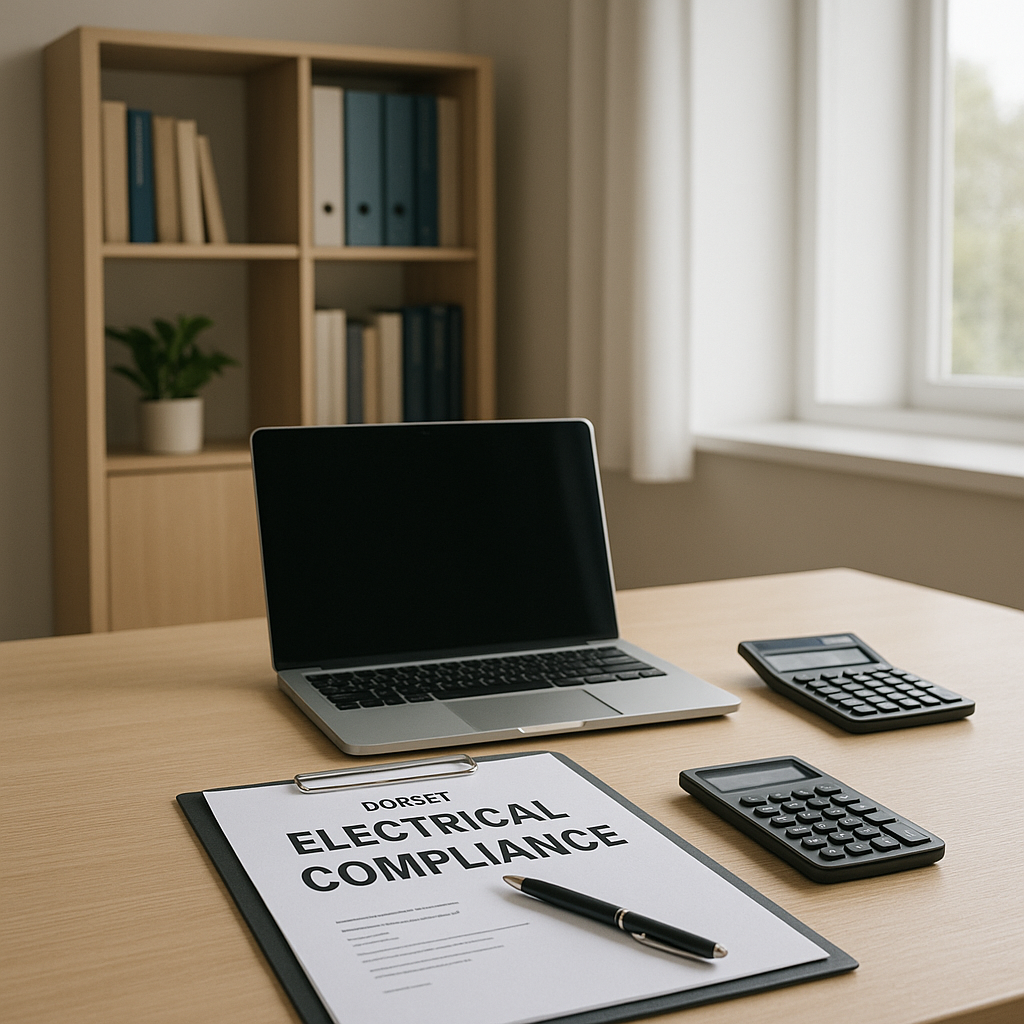
As a small business owner in Dorset, navigating the complexities of electrical compliance can be daunting. Whether you’re operating a café, a retail shop, or a local service, ensuring that your electrical installations meet regulatory standards is crucial for safety, efficiency, and longevity. Non-compliance can lead to costly fines, operational interruptions, and even hazards such as electrical fires. This guide aims to provide you with practical steps to ensure that your electrical systems are compliant with UK regulations.
Understanding the Importance of Electrical Compliance
Electrical compliance is not just about following rules; it’s about protecting your business, employees, and customers. Here are a few key reasons why compliance matters:
- Safety: Properly installed and maintained electrical systems reduce the risk of accidents.
- Legal Requirements: Compliance with the IET Wiring Regulations (BS 7671) and other local regulations is mandatory.
- Insurance Coverage: Many insurance policies require compliance to ensure coverage in case of incidents.
- Operational Efficiency: Compliant systems often perform better, saving you money in the long run.
Key Regulations and Standards
To ensure compliance, it’s essential to understand the applicable regulations and standards. Here are the primary ones:
- IET Wiring Regulations (BS 7671): This is the standard for electrical installations in the UK, outlining best practices for safety and performance.
- Health and Safety at Work Act 1974: This legislation mandates that employers ensure the safety of employees, which includes electrical safety.
- Electricity at Work Regulations 1989: This requires that all electrical systems are maintained and operated in a safe manner.
Steps to Ensure Electrical Compliance
1. Conduct Regular Inspections
Regular inspections are vital for maintaining compliance. Here’s how to go about it:
- Schedule Routine Checks: Plan inspections at least once a year, or more frequently depending on your business type and electrical usage.
- Hire a Qualified Electrician: Always engage a registered electrician to conduct these inspections. They can provide detailed reports and recommendations.
2. Keep Accurate Records
Maintaining records of your electrical installations and inspections can help prove compliance:
- Document Installations: Keep details of all electrical installations, including specifications and installation certificates.
- Log Inspection Reports: Save all reports from inspections and any corrective actions taken.
3. Implement a Maintenance Plan
A proactive maintenance plan is essential for ongoing compliance:
-
Regular Maintenance Tasks:
- Test residual current devices (RCDs) monthly.
- Check for signs of wear and tear, such as frayed wires or scorch marks.
- Ensure that all electrical equipment is PAT (Portable Appliance Testing) tested regularly.
-
Engage a Professional: Consider setting up a contract with a local electrical contractor for scheduled maintenance. This ensures ongoing compliance and safety.
4. Train Your Staff
Educating your employees about electrical safety can significantly reduce risks:
- Safety Training: Conduct regular training sessions on electrical safety and emergency procedures.
- Emergency Protocols: Ensure all staff know what to do in case of an electrical fault, including how to shut off power safely.
Common Mistakes to Avoid
Avoiding these common pitfalls can help ensure compliance:
- Neglecting Records: Failing to keep proper documentation can lead to complications if an incident occurs.
- Ignoring Updates to Regulations: Stay informed about any changes in electrical regulations that may affect your business.
- Using Unqualified Electricians: Always choose a reputable, qualified electrician to handle installations and repairs. Engaging a professional like Descott Electrical can help ensure compliance with local regulations.
How to Choose an Electrical Contractor
When selecting an electrical contractor for your business, consider the following criteria:
- Qualifications and Experience: Ensure they are qualified and experienced in commercial electrical work.
- References and Reviews: Ask for references or check online reviews to gauge their reliability and quality of service.
- Insurance and Accreditation: Verify that they hold adequate insurance and are accredited by relevant bodies, such as NICEIC or ELECSA.
Conclusion
Ensuring electrical compliance is a fundamental aspect of running a safe and efficient business in Dorset. By following these guidelines, you can protect your business, employees, and customers while avoiding costly penalties. Remember, when in doubt, consult with a professional electrical contractor to ensure that your systems are up to code.
If you need assistance with your electrical installations or compliance checks, get in touch with Descott Electrical today. Our team is dedicated to helping businesses like yours navigate the complexities of electrical regulations with ease.