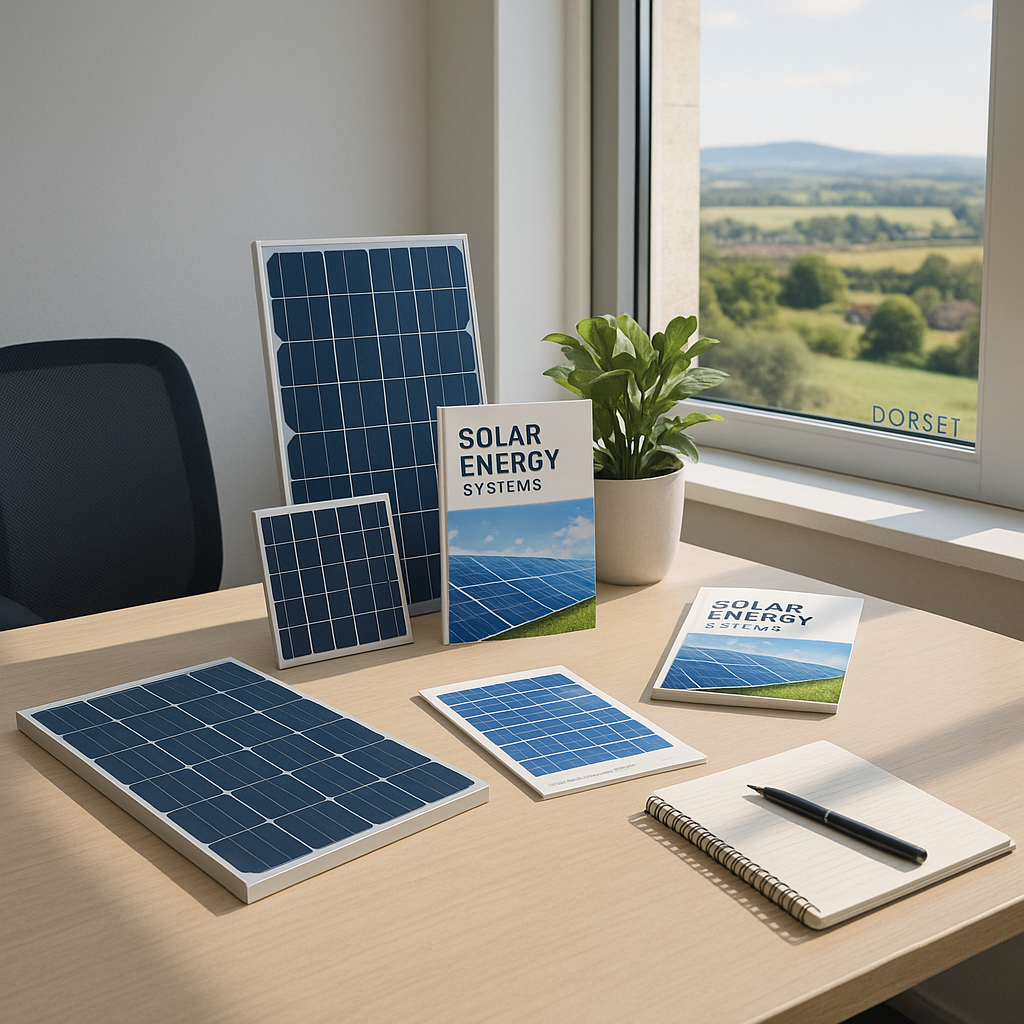
As businesses increasingly focus on sustainability and energy efficiency, the adoption of solar photovoltaic (PV) systems has become a strategic move for many. However, selecting the right solar PV system can be a complex decision, particularly for small and medium-sized enterprises (SMEs) in Dorset. With various technologies, configurations, and incentives available, it’s essential to understand what will work best for your specific business needs. This guide aims to simplify the process, helping you make an informed choice that aligns with your operational goals.
Understanding Your Energy Needs
Before diving into the world of solar PV systems, it’s crucial to assess your energy consumption and requirements. This step will inform the size and type of the system you’ll need.
Steps to Assess Your Energy Needs:
-
Review Your Utility Bills:
- Examine your monthly electricity usage over the past year. Look for patterns or peaks that may indicate high energy consumption times.
-
Conduct an Energy Audit:
- Consider hiring professionals to conduct an energy audit. This will identify areas where you may be wasting energy and help you gauge how much power you need from your solar PV system.
-
Consider Future Growth:
- If you plan to expand your business, factor in potential increases in energy usage when selecting your system.
Types of Solar PV Systems
There are several types of solar PV systems to choose from, and understanding the differences can guide your decision-making.
1. Grid-Tied Solar Systems
- Description: These systems are connected to the local electricity grid and can feed excess energy back into it.
- Benefits: Lower initial costs, no need for battery storage, and you can draw energy from the grid when solar production is low.
2. Off-Grid Solar Systems
- Description: These systems operate independently from the grid and require battery storage to hold excess energy for use when sunlight is not available.
- Benefits: Greater energy independence and reliability in remote areas.
3. Hybrid Solar Systems
- Description: Combining elements of both grid-tied and off-grid systems, hybrid systems can store energy in batteries while still being connected to the grid.
- Benefits: Flexibility and reliability, especially during power outages.
How to Choose the Right Solar PV System
Selecting the correct system involves several considerations:
Key Factors to Consider:
-
Budget: Evaluate the total cost of installation versus potential savings on energy bills. Remember to consider available grants and incentives that could reduce upfront costs.
-
Space Availability: Assess the physical space available for solar panels. Roof-mounted systems generally have different spatial requirements compared to ground-mounted setups.
-
Energy Production and Consumption: Match the system size with your energy needs. A larger system may produce more energy but could be overkill if your consumption is low.
-
Inverter Type: Choose between string inverters, microinverters, or power optimisers. Each has its pros and cons regarding efficiency and cost.
-
Installation and Maintenance: Consider the reputation and expertise of the installer. A professional electrical contractor, such as Descott Electrical, can provide valuable advice and ensure proper installation.
Common Mistakes to Avoid
When selecting a solar PV system, avoid these common pitfalls:
-
Overlooking Incentives: Many businesses miss out on financial incentives, such as the Smart Export Guarantee (SEG) in the UK, which pays you for excess energy exported to the grid.
-
Ignoring Maintenance: Solar systems require minimal maintenance, but neglecting it can lead to decreased efficiency over time.
-
Not Considering Energy Storage: Failing to plan for energy storage can result in lost savings, especially during peak usage times.
The Installation Process
Understanding the solar installation process can help you prepare and ensure a smooth transition to solar energy.
Steps in the Installation Process:
-
Site Assessment: A professional will assess your site to determine the best placement for solar panels.
-
Design and Proposal: You will receive a detailed proposal outlining the system design, estimated production, costs, and financing options.
-
Permitting: Your installer will handle the necessary permits required for installation.
-
Installation: The actual installation can typically be completed within a few days, depending on the system size.
-
Inspection and Commissioning: After installation, the system will be inspected to ensure it meets safety and performance standards.
Monitoring and Maintenance
After your solar PV system is installed, it’s essential to monitor its performance and schedule regular maintenance. Many systems come with monitoring software that allows you to track energy production in real-time.
Maintenance Checklist:
-
Regular Cleaning: Dust and debris can reduce efficiency. Clean the panels periodically to ensure optimal performance.
-
Annual Inspections: Schedule annual inspections with a qualified technician to check for any issues and ensure everything is functioning correctly.
-
Keep Records: Maintain records of your energy production and any maintenance performed to keep track of your system’s performance over time.
Conclusion
Investing in a solar PV system can significantly benefit your Dorset business through energy savings and sustainability. By understanding your energy needs, exploring the different types of systems, and following a structured installation process, you can make an informed decision that supports your operational goals. For expert guidance tailored to your specific requirements, don’t hesitate to reach out to a local professional such as Descott Electrical.
By taking the time to choose the right solar PV system, you can not only enhance your business’s energy efficiency but also contribute positively to the environment. This decision is not just about saving money; it’s about investing in a sustainable future for your business and the community.