In today’s rapidly evolving business landscape, small businesses in Dorset face the challenge of keeping pace with technological advancements. As operational efficiency and energy management become increasingly important, integrating smart electrical solutions into your business can offer a competitive edge. However, navigating the options can be daunting. This guide aims to demystify smart electrical solutions, helping you understand their benefits and how to implement them effectively.
Understanding Smart Electrical Solutions
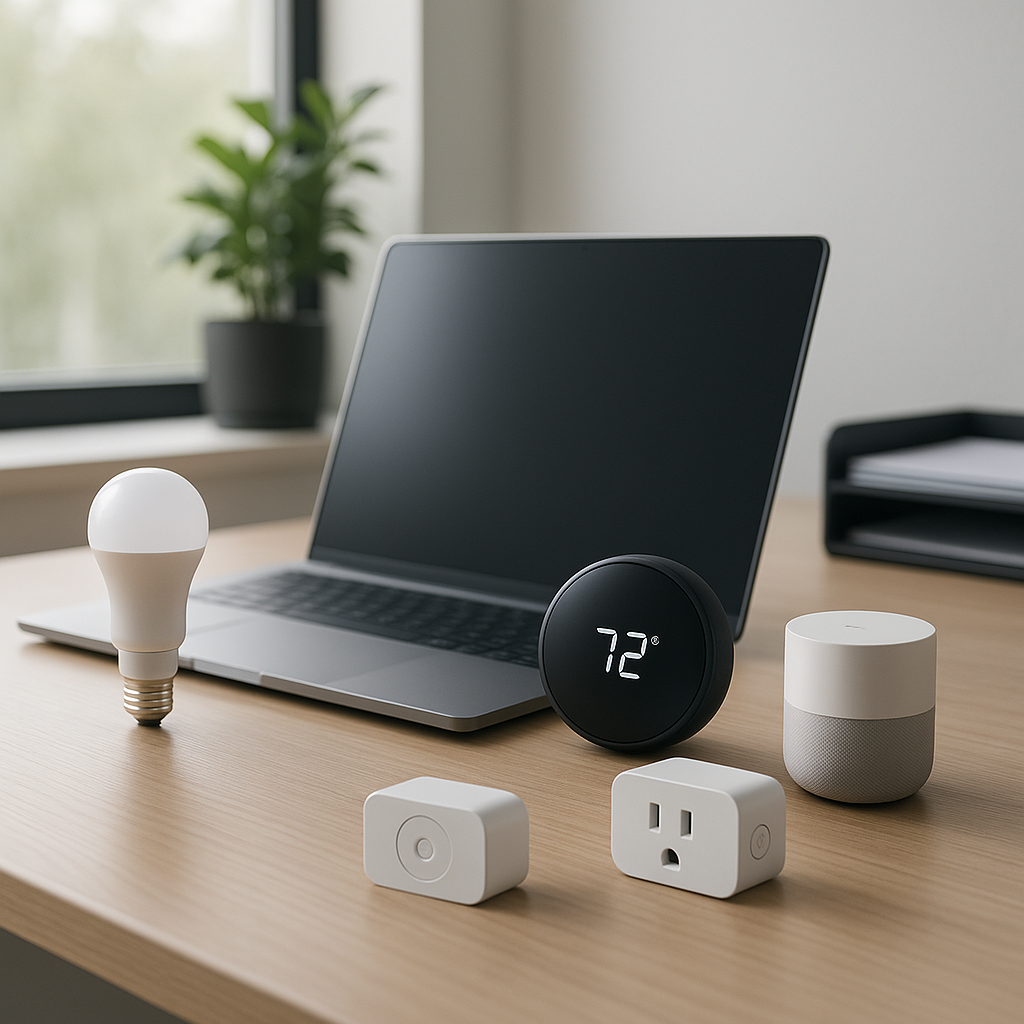
Smart electrical solutions refer to advanced technologies that allow for better control, monitoring, and management of your electrical systems. These solutions can enhance energy efficiency, improve safety, and provide valuable data for decision-making.
Key Benefits of Smart Electrical Solutions
- Energy Efficiency: Smart technologies help monitor and optimise energy usage, leading to reduced costs.
- Enhanced Safety: Systems can detect faults or hazards in real-time, alerting you before a problem escalates.
- Remote Management: Access your electrical systems from anywhere, making it easier to manage your business operations.
- Data Insights: Gather and analyse data on energy consumption patterns, allowing for informed decisions on upgrades or improvements.
Evaluating Smart Electrical Solutions for Your Business
When considering smart electrical solutions, it’s crucial to assess your specific needs and the suitability of various technologies. Here’s how to approach this evaluation:
Step 1: Identify Your Needs
- Assess Current Systems: Take stock of your existing electrical systems and identify areas for improvement.
- Define Goals: Are you looking to reduce energy costs, improve safety, or enhance operational efficiency? Clear goals will guide your technology choices.
Step 2: Research Available Technologies
Several smart electrical solutions can benefit your business:
- Smart Meters: These devices provide real-time energy consumption data, allowing you to track usage patterns and identify savings opportunities.
- Automated Lighting Systems: Motion sensors and timers can reduce energy expenditure by ensuring lights are only on when needed.
- Smart Thermostats: These devices optimise heating and cooling based on occupancy and time of day, further enhancing energy efficiency.
- Integrated Building Management Systems (BMS): A comprehensive solution that monitors and controls various building systems, including lighting, heating, and security.
Step 3: Consult with Professionals
Engaging with a qualified electrical contractor can provide insights into the best solutions tailored to your business. Consider reaching out to Descott Electrical for expert advice on integrating smart technologies into your operations.
Common Mistakes to Avoid
Implementing smart electrical solutions can be beneficial, but there are pitfalls to watch out for:
- Neglecting Compatibility: Ensure new technologies are compatible with your existing systems to avoid costly upgrades.
- Overlooking Training: Proper training is essential for staff to leverage smart technologies effectively.
- Ignoring Data Security: With increased connectivity comes the risk of cyber threats. Implement robust security measures to protect your systems.
Checklist for Implementing Smart Electrical Solutions
Before proceeding with any installations, use this checklist to ensure a smooth transition:
- [ ] Conduct a thorough assessment of current electrical systems.
- [ ] Define specific goals for smart technology integration.
- [ ] Research and select appropriate technologies based on your needs.
- [ ] Consult with a professional contractor for installation and advice.
- [ ] Plan for staff training and support post-installation.
- [ ] Establish a regular maintenance schedule to ensure systems run efficiently.
The Future of Smart Electrical Solutions in Dorset
As businesses increasingly adopt smart technologies, the potential for energy savings and operational efficiency continues to grow. For SMEs in Dorset, this transition not only supports sustainability goals but also enhances competitiveness in a challenging market.
The Role of Solar PV in Smart Solutions
Integrating smart electrical technologies with renewable energy sources, such as Solar PV, can yield significant benefits. By combining these solutions, businesses can further reduce their reliance on grid power, leading to lower energy bills and a reduced carbon footprint. Explore how Solar PV systems can complement your smart electrical solutions and provide long-term benefits for your Dorset business.
Conclusion
Adopting smart electrical solutions is a strategic move for small businesses in Dorset looking to enhance efficiency and sustainability. By understanding your needs, researching available technologies, and consulting with professionals, you can make informed decisions that will future-proof your operations.
For more information on how to implement these solutions effectively, contact Descott Electrical today. Our experienced team is ready to assist you in navigating the world of smart electrical solutions tailored to your business needs.