As energy costs continue to rise, small businesses in Dorset face the pressing challenge of managing operational expenses while remaining competitive. An effective way to address these concerns is through strategic electrical upgrades. Not only can these enhancements reduce energy consumption, but they can also improve safety and increase overall productivity. This guide will explore the key considerations for electrical upgrades, common mistakes to avoid, and how to maximise your energy efficiency.
Understanding the Importance of Electrical Upgrades
Electrical upgrades can significantly influence the operational efficiency of your business. Whether you are a local tradesperson, a small manufacturing unit, or a service provider, the right electrical solutions can lead to:
- Cost Savings: Reduced energy bills through more efficient systems.
- Enhanced Safety: Mitigating risks associated with outdated wiring or equipment.
- Operational Reliability: Minimising downtime due to electrical failures.
- Regulatory Compliance: Ensuring your setup meets current health and safety standards.
Key Considerations for Electrical Upgrades
When planning electrical upgrades for your business, consider the following:
1. Assess Your Current Electrical System
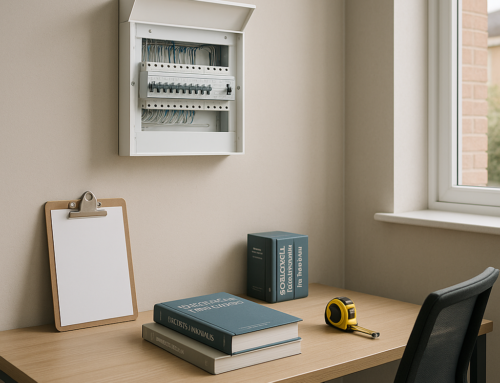
Before making any changes, evaluate your existing electrical infrastructure. Look for:
- Signs of wear or damage.
- Circuit overloads, which can cause tripped breakers or electrical fires.
- Outdated equipment that may not comply with current safety standards.
2. Identify Your Business Needs
Determine what specific upgrades will benefit your operations. Common upgrades include:
- Energy-efficient lighting: Switching to LED systems can drastically reduce energy consumption.
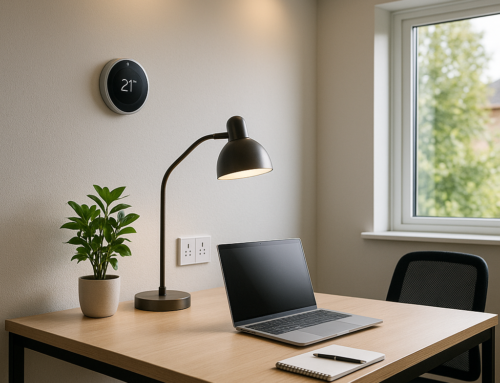
- Smart thermostats: Allowing for better temperature control and energy savings.
- Solar PV installation: Harnessing renewable energy can offset costs and improve sustainability.
3. Consult with a Qualified Electrician
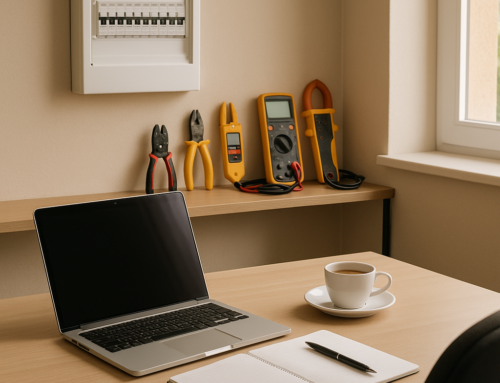
Engage a professional electrician to help you navigate your options. A qualified contractor can provide insights into the latest technologies and best practices. They can also assist with compliance to regulations such as the IET Wiring Regulations, ensuring your installation is safe and legal.
4. Consider Future Expansion
Choose upgrades that not only meet your current needs but can also accommodate future growth. For example, if you plan to expand your operations, ensure your electrical system can handle the additional load.
Mistakes to Avoid When Upgrading Your Electrical System
When undertaking electrical upgrades, avoid these common pitfalls:
- Ignoring Compliance: Ensure your upgrades are compliant with local regulations. Non-compliance can lead to fines and safety hazards.
- Skimping on Quality: Invest in high-quality materials and equipment to avoid frequent repairs or replacements.
- Underestimating Costs: Be realistic about the budget. Factor in installation costs, potential downtime, and future maintenance.
- Neglecting Safety: Always prioritise safety in your upgrades. This includes using a qualified electrician and adhering to safety standards.
How to Choose the Right Electrical Upgrade for Your Business
Checklist for Selecting Upgrades
- Conduct an Energy Audit: Assess your energy usage to identify areas for improvement.
- Research Available Technologies: Stay informed about the latest advancements in electrical systems.
- Get Multiple Quotes: When considering installations, obtain quotes from several contractors to compare services and pricing.
- Check References: Look for reviews or testimonials from previous clients to gauge the reliability of your chosen contractor.
- Evaluate Long-term Benefits: Prioritise upgrades that offer the best return on investment in terms of energy savings and operational efficiency.
Maximising Your Energy Efficiency with Solar PV Solutions
For many businesses, integrating Solar PV systems can be a game-changer. Here’s how to effectively implement solar solutions:
1. Conduct a Feasibility Study
Before installation, assess your roof space and orientation. An expert can help determine the potential energy savings and return on investment.
2. Select the Right System
Choose a solar PV system that meets your energy needs. Consider factors such as:
- System size: Based on your energy consumption.
- Type of panels: Research options like monocrystalline, polycrystalline, or thin film.
3. Incorporate Battery Storage
Utilising battery storage can enhance the effectiveness of your solar PV solution. By storing excess energy, you can lower reliance on the grid and reduce costs during peak hours.
4. Monitor Performance
After installation, regularly monitor the system’s performance to ensure it operates efficiently. This can help identify any issues early on and maintain optimal energy savings.
Conclusion
Upgrading your electrical system is a vital step for any Dorset business looking to enhance energy efficiency and reduce costs. By carefully assessing your current setup, identifying your needs, and engaging qualified professionals, you can make significant strides towards a more sustainable and cost-effective operation. Remember to consider future growth, ensure compliance with regulations, and avoid common pitfalls to maximise the benefits of your electrical upgrades.
If you are looking to explore your options for electrical upgrades or solar PV solutions, contact us today for expert advice tailored to your business needs.