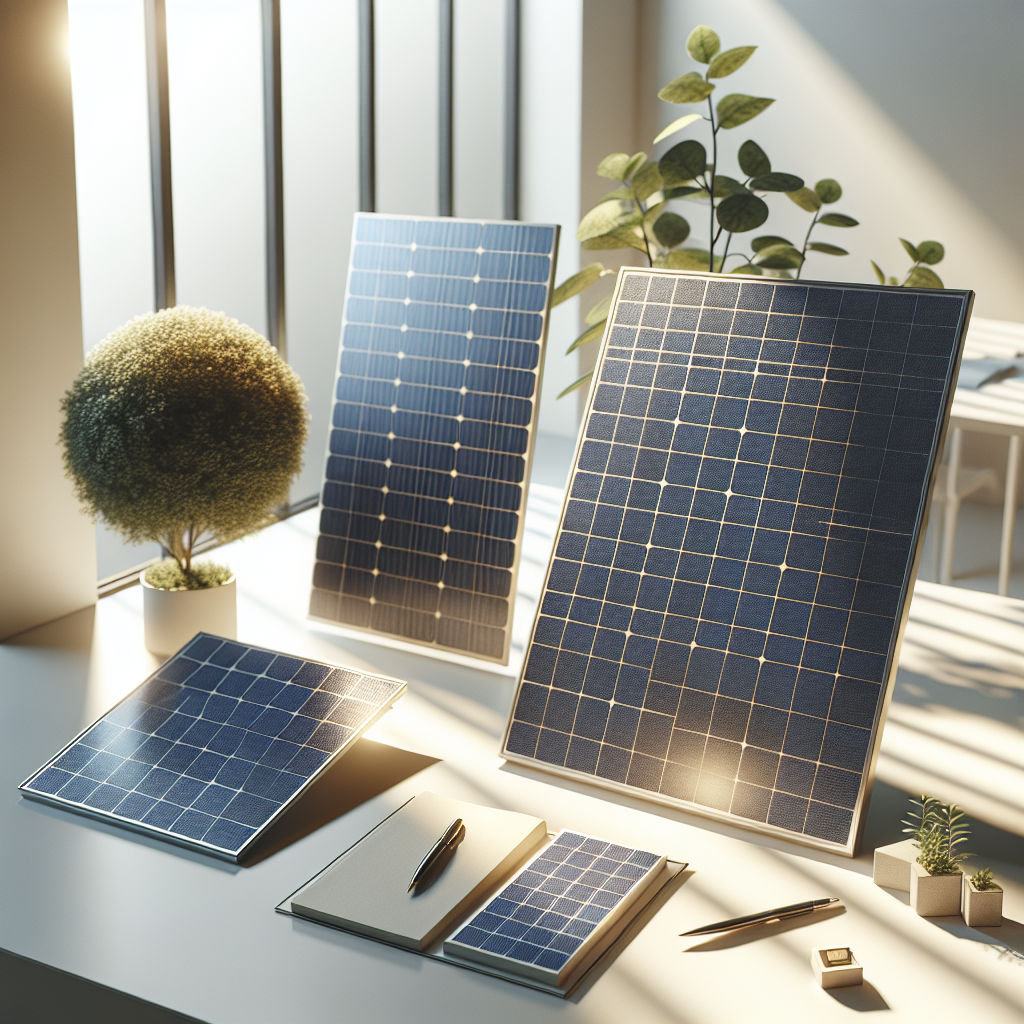
As energy costs continue to rise, many small businesses and local services in Dorset are considering solar PV systems to reduce their electricity bills and enhance their sustainability credentials. However, with various types of solar PV systems available, choosing the right one can be a daunting task. This guide will compare the different types of solar PV systems, detailing their pros and cons to help you make an informed decision about your energy solutions.
Understanding Solar PV Systems
Solar photovoltaic (PV) systems convert sunlight into electricity, providing a renewable energy source for homes and businesses. The primary types of solar PV systems include:
- Grid-Tied Solar Systems
- Off-Grid Solar Systems
- Hybrid Solar Systems
- Building-Integrated Photovoltaics (BIPV)
Each type has distinct characteristics, performance, and suitability for various applications. Let’s explore each option.
1. Grid-Tied Solar Systems
Description: This is the most common type of solar PV system, designed to be connected to the national grid. It allows you to use solar energy while still being connected to your energy supplier.
Pros:
- Cost-Effective: Generally cheaper to install than other systems since they do not require batteries.
- Net Metering: You can sell excess energy back to the grid, potentially lowering your energy costs even further.
- Simplicity: Easier to maintain as it has fewer components.
Cons:
- Dependence on the Grid: If there’s a power outage, your system will shut down to protect utility workers.
- No Energy Storage: Without batteries, you cannot store excess energy for later use.
2. Off-Grid Solar Systems
Description: These systems operate independently from the grid and are equipped with battery storage to provide energy when sunlight is not available.
Pros:
- Energy Independence: Ideal for remote locations where grid access is limited or unavailable.
- Reliable Power Supply: Provides electricity even during grid outages.
Cons:
- Higher Initial Costs: Installation can be more expensive due to the need for batteries and additional components.
- Maintenance Requirements: Batteries require regular maintenance and eventual replacement.
3. Hybrid Solar Systems
Description: A hybrid system combines elements of both grid-tied and off-grid systems, featuring battery storage while still connected to the grid.
Pros:
- Flexibility: Can switch between using stored energy and grid energy based on availability and cost.
- Backup Power: Provides a reliable backup during outages without total dependence on batteries.
Cons:
- Complex Installation: More complex than grid-tied systems, which can lead to higher installation costs.
- Management: Requires a more sophisticated energy management system to optimise usage.
4. Building-Integrated Photovoltaics (BIPV)
Description: BIPV systems integrate solar cells into building materials, such as roof tiles or windows, providing a dual function of generating electricity while serving as part of the building’s structure.
Pros:
- Aesthetic Appeal: Can enhance the visual appearance of a building as they blend in seamlessly with architecture.
- Space Saving: Utilises space that might otherwise be unused for solar panels.
Cons:
- Higher Costs: Generally more expensive than traditional solar PV systems due to specialised materials.
- Efficiency Variability: Often less efficient than conventional panels, leading to lower energy output.
How to Choose the Right Solar PV System
Selecting the right solar PV system for your business involves several key considerations:
- Energy Needs: Assess your business’s energy consumption to determine the system size and type that will meet your requirements.
- Location: Consider your geographical location and the available sunlight. Grid-tied systems may be sufficient in urban areas, while off-grid systems may be necessary for remote locations.
- Budget: Factor in your budget not only for installation but also for long-term maintenance and potential savings.
- Future Plans: Anticipate any changes in energy usage or business expansion that may affect your energy needs in the future.
Common Mistakes to Avoid
When evaluating solar PV systems, be mindful of these common pitfalls:
- Not Considering All Costs: Look beyond initial installation costs to include maintenance and potential upgrades.
- Neglecting Energy Storage Needs: If opting for a grid-tied system, consider how you will manage your energy needs during outages.
- Ignoring Local Regulations: Be aware of any planning permissions or regulations that may affect your installation.
Conclusion
Choosing the right solar PV system is crucial for optimising energy efficiency and reducing costs for your business. Each system has its advantages and disadvantages, and understanding these can lead you to a more informed decision. If you’re considering a solar PV installation, Descott Electrical can provide expert guidance tailored to your unique needs.
By investing in the right solar PV solution, you can not only enhance your business’s sustainability but also contribute positively to the environment.